

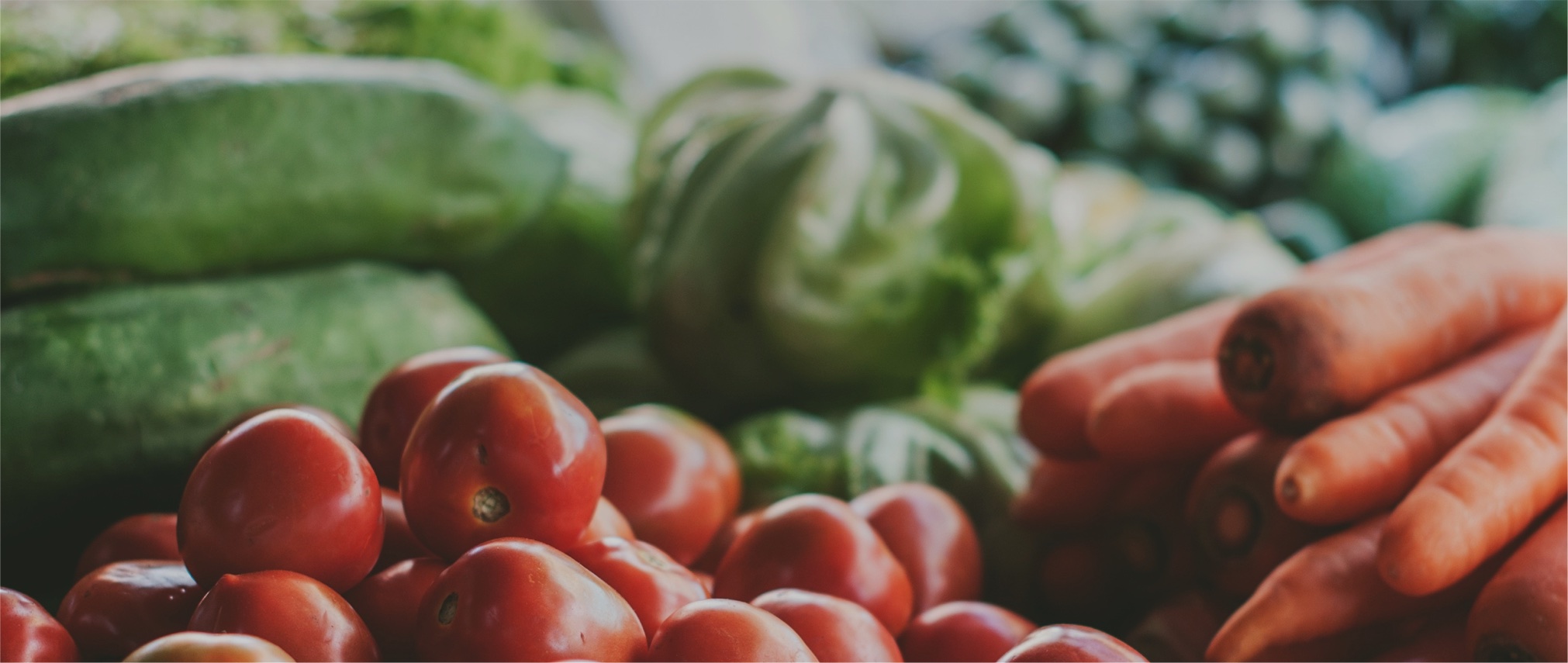
The healthy eating plan is rich in fruits, vegetables, fat-free or low- fat milk and milk products, whole grains, fish, poultry, beans, seeds, and nuts. It also contains less salt and sodium; sweets, added sugars, and sugar-containing beverages; fats; and red meats than the typical American diet.
The healthy eating plan requires no special foods and has no hard- to-follow recipes. It simply calls for a certain number of daily servings from various food groups. The healthiest foods tend to be on the walls around the grocery store, not in the aisles. Avoid chips, soda, and processed foods by shopping in the produce (fruit/vegetable), dairy (milk/cheese), and meat area.
The healthy eating plan follows the ChooseMyPlate.gov as a guideline. Balancing calories enjoying your food but eat less. Avoid oversized portions. Foods to increase: Make half your plate fruits and vegetables. Make at least half your grains whole grains. Switch to fat-free or low-fat (1%) milk. Foods to
reduce: Compare sodium in foods like soup, bread, and frozen meals — and choose the foods with lower numbers. Drink water instead of sugary drinks.
The healthy eating plan requires following the feeding fundamentals of Ellyn Satter’s Division of Responsibility in Feeding. The Division of Responsibility for toddlers through adolescents is straightforward; the parent is responsible for what, when, where, regarding food and the child is responsible for how much and whether. The parent chooses and prepares the food, provides regular meals and snacks, makes eating times pleasant, and shows children what they have to learn about food and
mealtime behavior. Parents should not let children graze for food or beverages between meal times. The children will decide how much and whether to eat.
The healthy eating plan requires eating home-cooked meals together as a family, planned and prepared by the parent. When planning and preparing foods at home, it is important to let the children help because they will have more “buy in” and be more likely to eat the healthy food that is served. When you eat at home around the table, you are more likely to eat smaller portions and eat more vegetables. Home-cooked food is usually healthier than fast food or take-out food because of less salt and fat content.
Parents can identify healthy food by reading the food label. Serving size is the first thing to check on a food label. The parent can prepare the number of servings needed to feed the family. How many servings are the parents and children eating? The label states the number of calories in one serving of the food. The number of servings you prepare and consume determines the number of calories you and your family actually eat. Use choosemyplate.gov as a guideline.
Parents can choose foods with less sodium to prepare and provide at regular meals and snacks. Parents can read the food labels to bring home foods with less salt and leave the high sodium foods on the grocery store shelf. Too much sodium in your diet can increase your risk for certain health conditions. Sodium is found in almost all packaged foods because it helps preserve food, increasing how long it can sit on the shelf at the store and in your home. The daily recommendation for sodium in a healthy eating plan is 1500mg of sodium per day. An easy way to break this down would be no more than 400mg per meal with one or two
optional 100-200mg sodium snacks or individual foods in between.
Parents can provide more fiber by reading the food label and bring home foods high in fiber. Eating foods high in fiber helps to improve regularity in bowel habits and reduce your risk for certain health conditions. High-fiber foods help make you feel full faster and for longer. Fiber is mainly found in whole grains, fruits, vegetables and legumes. Look for whole grain products with at least 3 grams of fiber or more that list “whole grain” as the first ingredient. Check the serving size to get an accurate number of grams of fiber.
Parents can find the ingredients on the food label listed in order by weight, from the ingredient that makes up the most of the food item, to the ingredients that are only present in small amounts. When buying Breads, bagels, English muffins, cereals, etc. Look for whole grain as the first ingredient. Even if the product packaging says the product has “wheat” but that first ingredient is water or refined/enriched flour, the food is not a whole grain food and not as healthy.
